Welcome to this Q&A on the growing concern over free-living amoebas worldwide. As scientists raise alarms, we explore the causes, risks, and solutions. Below are key questions that break down the issue, with each answer providing detailed insights.
- What are free-living amoebas and why are they a global health concern?
- How do rising temperatures fuel the spread of dangerous amoebas?
- Why do outdated water systems contribute to the problem?
- What makes these amoebas so difficult to control?
- How can amoebas protect other dangerous microbes?
- What urgent steps do scientists recommend?
What are free-living amoebas and why are they a global health concern?
Free-living amoebas are single-celled organisms that thrive in natural and man-made water environments such as lakes, rivers, and plumbing systems. Unlike parasitic amoebas, they do not require a host to survive. While most species are harmless, a few can cause severe infections in humans, including primary amebic meningoencephalitis (PAM) and granulomatous amebic encephalitis (GAE). These infections are often fatal because they are difficult to diagnose and treat. The global concern is rising because climate change and aging water infrastructure create ideal conditions for these amoebas to multiply and spread. Their ability to resist standard disinfection methods and survive in warm waters makes them a persistent threat. As temperatures continue to climb, previously unaffected regions are now at risk, prompting scientists to call for improved surveillance and water treatment systems.
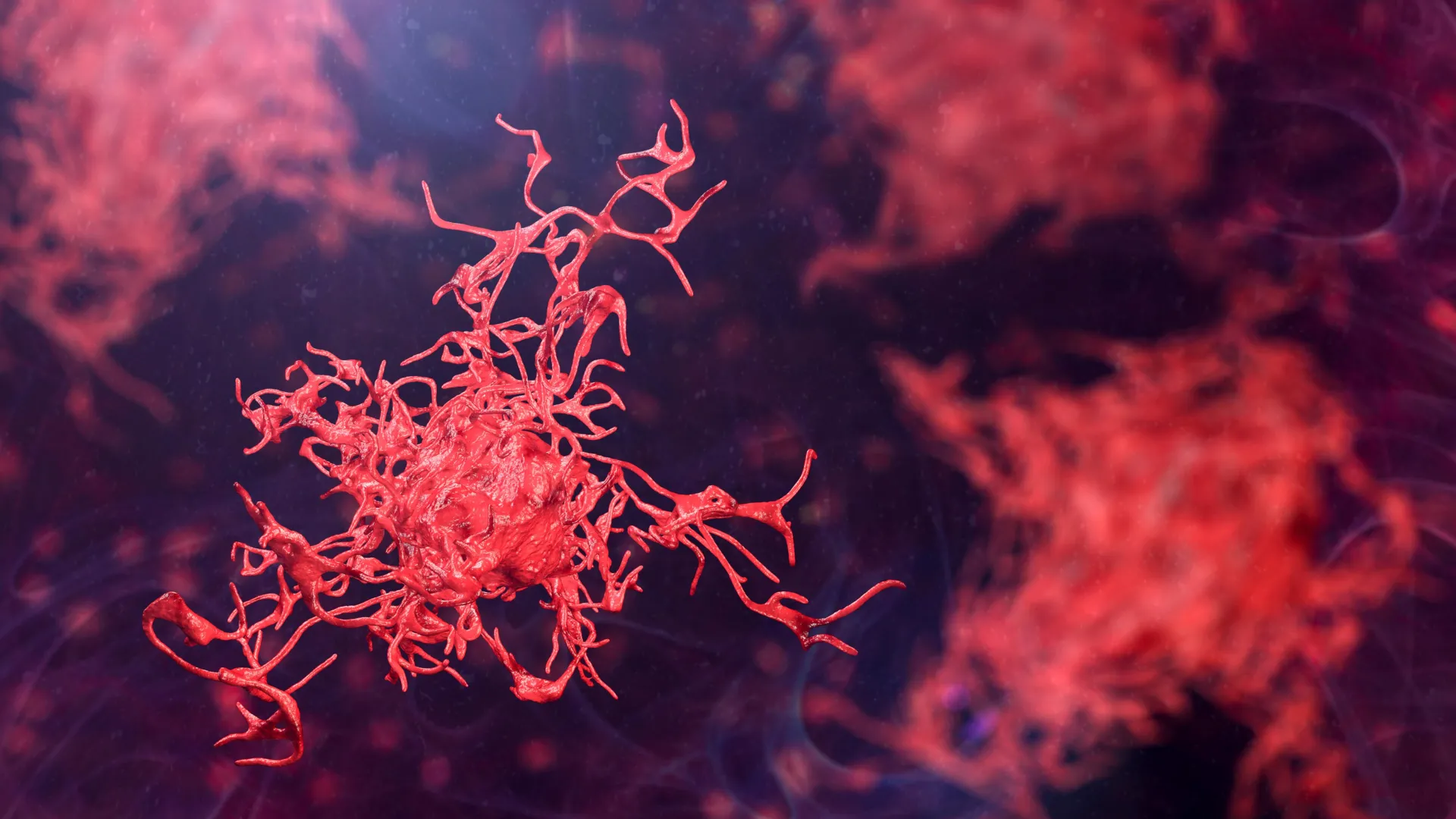
How do rising temperatures fuel the spread of dangerous amoebas?
Rising global temperatures directly favor the growth and reproduction of pathogenic free-living amoebas. Species like Naegleria fowleri (the brain-eating amoeba) thrive in warm freshwater environments, typically above 25°C (77°F). As heatwaves become more frequent and water bodies warm, these amoebas can expand their geographic range into cooler regions where they were previously unable to survive. Warmer temperatures also lengthen the seasonal window when recreational water activities pose a risk. Additionally, climate change intensifies droughts and floods, altering water systems and creating stagnant, warm pools that serve as breeding grounds. The combination of increased water temperature and altered hydrology amplifies the exposure risk for humans, making warm-weather regions more dangerous and surprising cooler areas with new outbreaks. This environmental shift is a key driver behind the global spread scientists are warning about.
Why do outdated water systems contribute to the problem?
Many municipal water systems, especially in older cities, were designed decades ago and are ill-equipped to handle the challenges posed by thermotolerant amoebas. Aging pipes can develop biofilms—slimy layers of microorganisms—that protect amoebas from disinfectants like chlorine. Corrosion, leaks, and poor maintenance create stagnant zones where water temperature rises, providing an ideal habitat. In addition, outdated treatment plants may not use modern filtration or disinfection techniques effective against these robust protozoa. For example, amoebas can encyst (form a protective shell) when conditions are harsh, allowing them to survive in water pipes for months. During routine flushing or pressure changes, these cysts can be released into household taps, showerheads, and even cooling towers. As a result, people in regions with decaying infrastructure face higher risks of exposure through drinking water, bathing, or recreational use.
What makes these amoebas so difficult to control?
Free-living amoebas exhibit several adaptations that make them extremely resilient to control measures. First, they tolerate a wide range of temperatures, including the high heat used in many water treatment processes. Some species can survive short-term exposure to temperatures up to 50°C (122°F). Second, they are resistant to standard disinfectants like chlorine, chloramine, and ozone, especially when embedded in biofilms. Amoebas also have a dormant cyst stage that can survive extreme desiccation, UV radiation, and chemical shock. Once conditions improve, the cysts can excyst and become active again. Furthermore, these organisms can act as "Trojan horses" by engulfing and protecting bacteria and viruses inside them, shielding the microbes from disinfection. This combined resistance means that simply increasing chemical doses or heat is often ineffective and can be expensive or harmful to human health. Effective control requires multi-barrier approaches including advanced filtration, regular monitoring, and proactive system maintenance.
How can amoebas protect other dangerous microbes?
Certain free-living amoebas, such as Acanthamoeba and Naegleria, are known to phagocytize (engulf) bacteria and viruses as a food source. However, some pathogens have evolved to survive inside the amoeba, using it as a shelter from harsh environmental conditions and disinfection. Inside the amoeba's vacuoles, these microbes can replicate, remain dormant, or even become more virulent. For example, Legionella bacteria, which cause Legionnaires’ disease, are famous for hijacking amoebas as a protective niche. The amoeba’s cyst stage further shields the internal pathogens, allowing them to persist in water systems for extended periods. When amoebas are released into water, they carry these microbes with them, effectively vectoring the pathogens to new hosts. This symbiotic relationship complicates water treatment because eliminating the host amoeba is necessary to remove the protected bacteria. It also means that amoebas can serve as reservoirs for multiple disease-causing organisms, making them a critical focus for public health surveillance.
What urgent steps do scientists recommend?
To address the spread of dangerous amoebas, scientists emphasize the need for improved surveillance and enhanced water treatment. Surveillance should include routine monitoring of water sources—both natural and man-made—for amoeba species and their cysts, especially in regions experiencing warming trends. Molecular tools like PCR can quickly identify pathogenic strains. On the treatment side, facilities should adopt multi-barrier approaches: advanced filtration (e.g., membrane or activated carbon), optimized disinfection with ultraviolet light or ozone, and pipe flushing programs to reduce biofilms. Infrastructure upgrades are critical, particularly in older cities where corroded pipes create ideal habitats. Public education campaigns should warn about risks associated with warm recreational waters and improper contact lens hygiene (linked to Acanthamoeba infections). Finally, climate adaptation plans must integrate water quality measures, ensuring that as temperatures rise, water systems remain resilient. Without these actions, scientists warn that infections will become more frequent and widespread.