When you think of spiders, the image of a small, harmless creature living in the corner of your wall might come to mind. But scientists have recently discovered a species that defies expectations: Pikelinia floydmuraria, nicknamed the “Pink Floyd spider.” This tiny arachnid, inspired by the legendary rock band, is a ferocious predator that takes down prey six times its own size. Found lurking in wall crevices, it not only hunts oversized ants but also helps control urban pests like mosquitoes and flies. From its clever web placement near lights to its mysterious evolutionary ties to spiders in the Galápagos, this creature is packed with surprises. Here are 10 things you need to know about this remarkable spider.
1. A Name Inspired by Rock Legends
The scientific name Pikelinia floydmuraria is a tribute to the British rock band Pink Floyd. The genus Pikelinia honors a researcher, while the species name combines “floyd” (from the band) with “muraria” (Latin for “wall,” referencing its habitat). This naming choice highlights the spider’s wall-dwelling lifestyle and the creative flair of the scientists who described it.
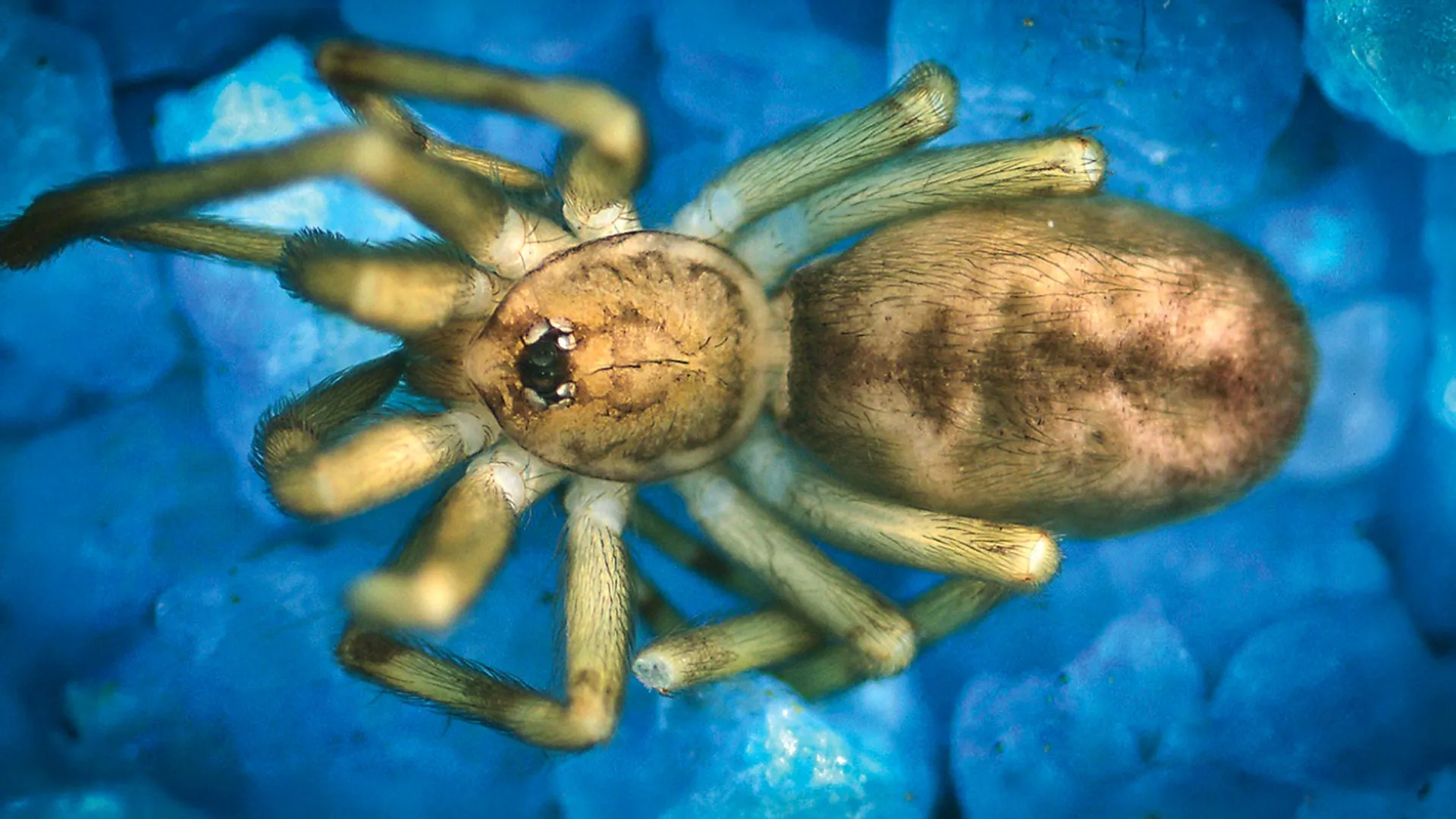
2. Tiny Size, Giant Appetite
Despite measuring only a few millimeters, the Pink Floyd spider is a fearless hunter. It actively preys on ants that can be up to six times its own body length. This prey is not only larger but also highly defensive, yet the spider uses stealth and speed to overcome it. Such a feat is rare among small spiders, making this species a standout in its ecosystem.
3. Lives in Walls
As its name suggests, P. floydmuraria is a wall dweller. It builds its small, sheet-like webs in cracks and crevices of buildings, especially in urban areas. This adaptation allows it to exploit human-made structures as hunting grounds, turning walls into a bustling ecosystem of pest control.
4. Strategic Web Placement
One of the spider’s most clever tricks is positioning its web near artificial lights. By doing so, it takes advantage of the fact that many flying insects—like mosquitoes, flies, and moths—are attracted to light. The spider waits at the edge of its web, ready to pounce when prey gets entangled. This makes it an efficient nocturnal hunter and a natural pest controller.
5. A Natural Pest Controller
Beyond ants, the Pink Floyd spider feeds on common urban pests such as mosquitoes, flies, and small beetles. In areas where these insects are abundant, the spider’s presence can help reduce their populations without the need for chemicals. This ecological service is especially valuable in homes and gardens.
6. A Master of Camouflage
The spider’s coloration blends perfectly with the dusty, gray surfaces of walls. Its body is covered with tiny hairs that trap particles, enhancing its camouflage. This helps it stay hidden from predators and unsuspecting prey alike, making it a successful ambush hunter.
7. Mysterious Link to Galápagos Spiders
Scientists have discovered a puzzling connection between P. floydmuraria and several spider species found only in the Galápagos Islands. These Galápagos spiders share similar morphological traits, raising questions about how such a tiny creature could have dispersed across thousands of kilometers of ocean. The answer might involve rafting on vegetation or hitchhiking on birds.
8. Active Only at Night
Like many small predators, the Pink Floyd spider is nocturnal. It spends daylight hours hidden in its retreat, a silk-lined crevice, and becomes active after dusk. This timing aligns with the peak activity of its insect prey, especially the flying insects drawn to lights.
9. A Unique Reproductive Strategy
Female Pink Floyd spiders are known to guard their egg sacs diligently until the spiderlings hatch. The sacs are often attached to the web near the retreat, providing protection from parasites and predators. Males, in contrast, are smaller and rarely seen, venturing only to mate before returning to their own hidden spots.
10. A New Species Discovery
Pikelinia floydmuraria was officially described in 2023 by a team of arachnologists. Its discovery underscores how many small, inconspicuous creatures still remain unknown, even in human-dominated environments. Studying such species can reveal important insights into urban ecology, evolution, and natural pest management.
In conclusion, the Pink Floyd spider is far more than a novelty name. With its unique behaviors—from oversized prey hunting to strategic web placement near lights—it plays a vital role in controlling household pests. Its mysterious link to Galápagos spiders adds an evolutionary puzzle that scientists are eager to solve. Next time you see a tiny cobweb in a wall crack, take a closer look: you might be witnessing the work of a fierce little predator that embodies both rock and roll and nature’s ingenuity.