When Ethiopia announced a ban on the import of conventional internal combustion engine (ICE) vehicles two years ago, the move was met with widespread skepticism. Critics questioned the readiness of the country’s infrastructure, the affordability of electric vehicles (EVs), and the political will to enforce such a drastic policy. Yet today, that same decision is being hailed as a pioneering step in Africa’s green transportation transition. Ethiopia has not only stayed the course but has emerged as a continental leader in EV adoption, setting an example for other nations grappling with fuel import costs and air pollution. This listicle dives into the essential facts behind Ethiopia’s electric vehicle revolution—explaining what happened, why it worked, and what it means for the future of mobility in Africa.
1. A Total Ban on Imported ICE Vehicles
Ethiopia became the first African country to completely prohibit the import of new or used gasoline and diesel-powered cars. The ban, enacted in early 2023, applies to all non-electric vehicles, effectively closing the door to conventional automobile imports. This radical policy was driven by the government’s desire to reduce the nation’s hefty fuel import bill—which consumed a significant portion of foreign exchange—and to tackle urban air pollution, especially in the capital, Addis Ababa. Transitioning to EVs promised to cut emissions, lower long-term transport costs, and stimulate local renewable energy use. The ban also signaled a strong commitment to the Paris Agreement goals, positioning Ethiopia as a climate leader on the continent. Despite initial logistical hurdles, the policy has remained in force, proving that decisive regulatory action can reshape an entire automotive market.
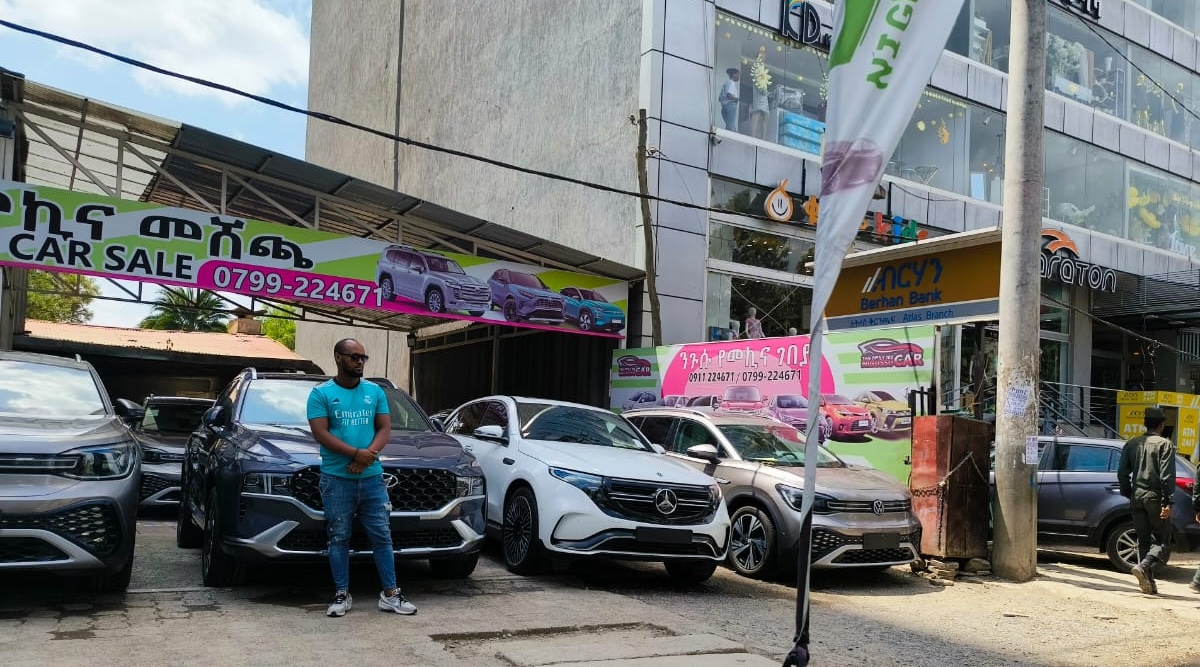
2. Why Ethiopia Took This Daring Step
Several economic and environmental pressures converged to push Ethiopia toward an EV-only future. The country spends over $6 billion annually on importing petroleum products, a massive drain on its foreign currency reserves. By eliminating ICE vehicles, the government aims to cut this expense drastically. Additionally, Ethiopia generates nearly all its electricity from renewable sources—mainly hydroelectric power—making the environmental case for EVs exceptionally strong. Unlike many nations that rely on coal or natural gas for electricity, an EV in Ethiopia runs on clean energy from the moment it is plugged in. Simultaneously, the government saw an opportunity to leapfrog the traditional automotive industry, investing in local assembly plants for electric two-wheelers, three-wheelers, and cars. The ban was thus not an isolated policy but part of a broader industrial strategy to foster a homegrown green transport sector.
3. Early Skepticism and Challenges Overcome
When the ban was announced, most observers were highly doubtful. Key concerns included the lack of charging infrastructure—Ethiopia had fewer than 50 public charging stations nationwide—the high upfront cost of EVs, and the potential black market for secondhand ICE vehicles. Many also questioned whether the national grid could handle the additional load. However, the government countered with phased incentives: reduced import duties for EVs, tax breaks for charging station operators, and a public awareness campaign highlighting fuel savings. The private sector responded by setting up charging networks and importing affordable used EVs from China and Europe. Within 18 months, registered electric vehicles in Ethiopia surged from a few hundred to over 6,000. While challenges remain—particularly in spare parts availability and battery disposal—the initial skepticism has largely given way to cautious optimism.
4. Tangible Successes: What the Numbers Show
Two years after the ban, the results are measurable and significant. Ethiopia has averted an estimated $300 million in fuel imports, and the number of EVs on its roads has grown more than tenfold. The government reports that EV charging now consumes less than 1% of total electricity generation, with spare capacity available due to the country’s renewable surplus. Moreover, local assembly plants—including those producing electric motorcycles and minibuses—have created over 2,000 jobs. The price of the most popular electric vehicle models has dropped by 20% as demand increased. Perhaps most importantly, Addis Ababa has seen a noticeable improvement in air quality, with a 15% reduction in particulate matter near major roads. These metrics have convinced even early critics that the policy is delivering real economic and environmental dividends.
5. The Role of Two- and Three-Wheelers
While passenger cars grab headlines, the real backbone of Ethiopia’s EV revolution is its electric two- and three-wheelers. Motorcycles and tuk-tuks (three-wheeled taxis) dominate urban transport in Africa, and Ethiopia is no exception. The government specifically targeted these segments, offering higher subsidies for electric motorcycles and partnering with local manufacturers to convert existing fleets. Today, over 70% of new two-wheelers sold in Addis Ababa are electric, and electric tuk-tuks are gradually replacing diesel-powered versions. This shift has been easier to implement than converting private cars, because the vehicles are lighter, cheaper, and can be charged from standard household outlets. The success of this grassroots electrification is now being studied by other African nations looking to reduce fuel costs while keeping mobility affordable for the masses.
6. Comparing Ethiopia to the Rest of Africa
Ethiopia’s approach stands in stark contrast to other African countries’ EV strategies. Most nations, such as South Africa, Kenya, and Rwanda, have taken incremental steps—offering tax incentives for EVs but stopping short of banning petrol cars. Ethiopia’s radical policy has accelerated adoption, placing it years ahead in EV penetration per capita. For example, while South Africa has about 1,000 registered EVs among a much larger car fleet, Ethiopia already surpasses that number. Critics argue that a ban is too drastic for countries with weaker grids or less renewable energy; however, Ethiopia’s high renewable share (over 90%) gives it a unique advantage. The central lesson is that context matters: policies successful in one country may not translate directly, but Ethiopia has proven that bold regulatory measures can work when paired with a strong clean energy base and targeted industrial support.
7. Future Outlook: Scaling Up and Going Green
Looking ahead, Ethiopia plans to expand its EV ecosystem further. The government recently announced a goal of having 50% of all new vehicle sales be electric by 2030. To reach this, they are investing $200 million in charging infrastructure, aiming for 2,000 public charging points plus battery-swapping stations for two-wheelers. A new national policy will also mandate that all government vehicles be electric within three years. Internationally, Ethiopia is seeking partnerships with battery manufacturers to localize production and recycling. On the horizon are plans for an EV manufacturing hub in the new industrial park near Addis Ababa. Though obstacles like grid intermittency and foreign currency shortages persist, the trajectory is clear: Ethiopia intends to become Africa’s blueprint for a zero-emission transport future, proving that developing nations can lead the global clean mobility revolution.
Ethiopia’s electric vehicle revolution is still in its early stages, but the first two years have shown what determined policy-making can achieve. From slashing fuel imports to cleaning up urban air, the benefits are already tangible. The international community is watching closely, and many African nations are reassessing their own transport strategies in light of Ethiopia’s example. The skeptics who doubted the ban are now taking notes. If the current momentum continues, Ethiopia may well be remembered not just as an early adopter, but as the country that put the entire continent on the path to an electric future. The road ahead has challenges, but for now, Ethiopia is driving the change.