Breaking: Rubin Observatory Begins Final Preparations for Decade-Long Survey
The Vera C. Rubin Observatory in Chile's Atacama Desert will start its operational phase within weeks, astronomers confirmed today. Equipped with the world's largest digital camera, it will scan the entire southern sky every few nights for ten years.
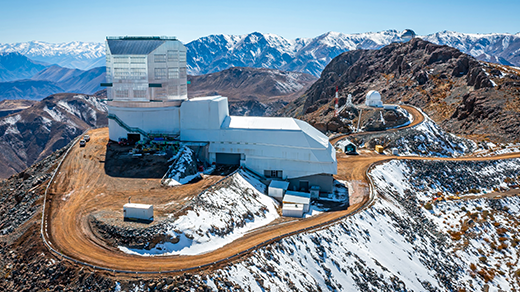
This survey will detect tens of thousands of skyscraper-size asteroids, track failed supernovae, and may snare interstellar visitors like 'Oumuamua,' said Dr. Mario Jurić, Rubin Observatory project scientist at the University of Washington. "We're about to enter an era of unprecedented discovery."
First Light Achieved, Science Survey Imminent
Rubin recently achieved first light with its 3.2-gigapixel camera. The telescope's 8.4-meter mirror and wide field of view allow it to cover the entire sky every three nights.
"Rubin will produce 20 terabytes of data per night," said Dr. Jurić. "That's equivalent to streaming millions of HD movies simultaneously." The data will be made public almost instantly, enabling rapid follow-up observations by other telescopes worldwide.
Background
Originally conceived in the 1990s as the Dark Matter Telescope, the project evolved into the Large Synoptic Survey Telescope (LSST) and was later renamed after astronomer Vera C. Rubin, who provided evidence for dark matter. Construction began in 2015 at the Cerro Pachón ridge in Chile.
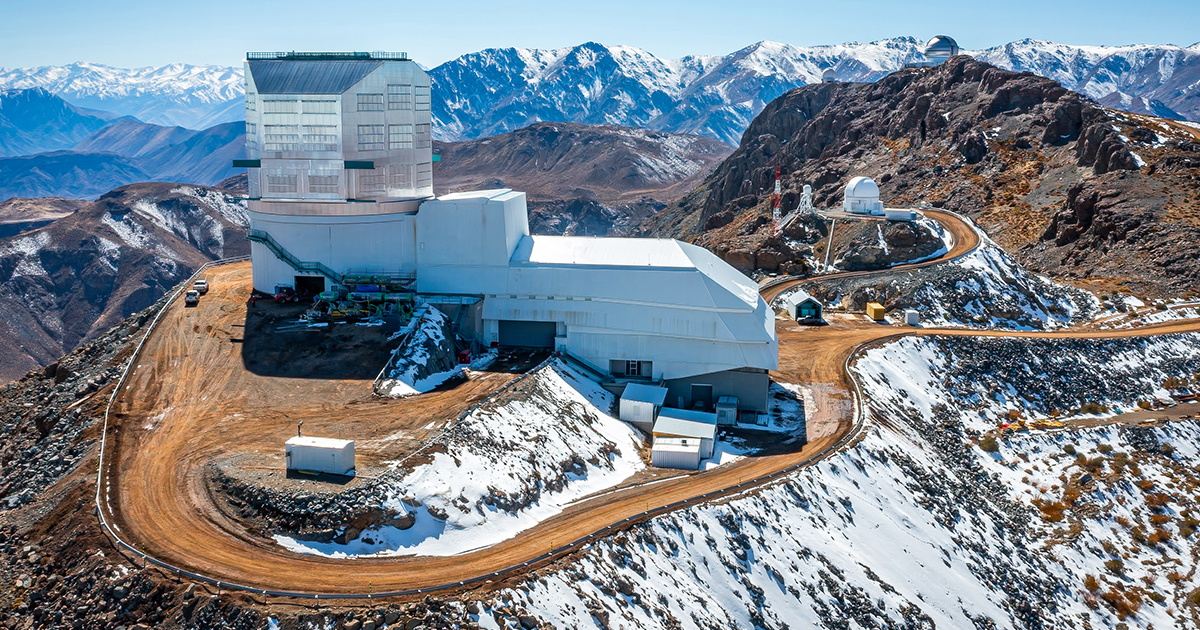
The observatory's primary mission is to create a time-lapse movie of the universe, cataloging billions of galaxies, stars, and moving objects. It is designed to study dark matter, dark energy, and potentially hazardous asteroids.
What This Means
Rubin's survey will transform planetary defense by detecting 90% of near-Earth asteroids larger than 140 meters within its first decade. It will also spot supernovae within hours of explosion, including rare "failed" supernovae where stars collapse directly into black holes.
Furthermore, Rubin's sensitive camera may identify interstellar objects passing through our solar system months before they depart, allowing spacecraft to be redirected for flyby studies. "This is a game-changer for almost every field of astronomy," remarked Dr. Kathryn Volk, a planetary scientist at the University of Arizona who is not affiliated with Rubin.
The first public data release is expected in 2025, but early results could come within months of survey start. The Rubin Observatory promises to keep the world watching the skies like never before.