On April 30, Russia marked a significant milestone in its space ambitions with the flawless maiden flight of the Soyuz 5 medium-lift rocket. This homegrown launcher represents a leap forward for the nation's independent access to orbit. Below, we break down the ten most important things you need to know about this historic launch and what it means for the future of Russian spaceflight. Jump to the first fact.
1. A New Workhorse for Russian Missions
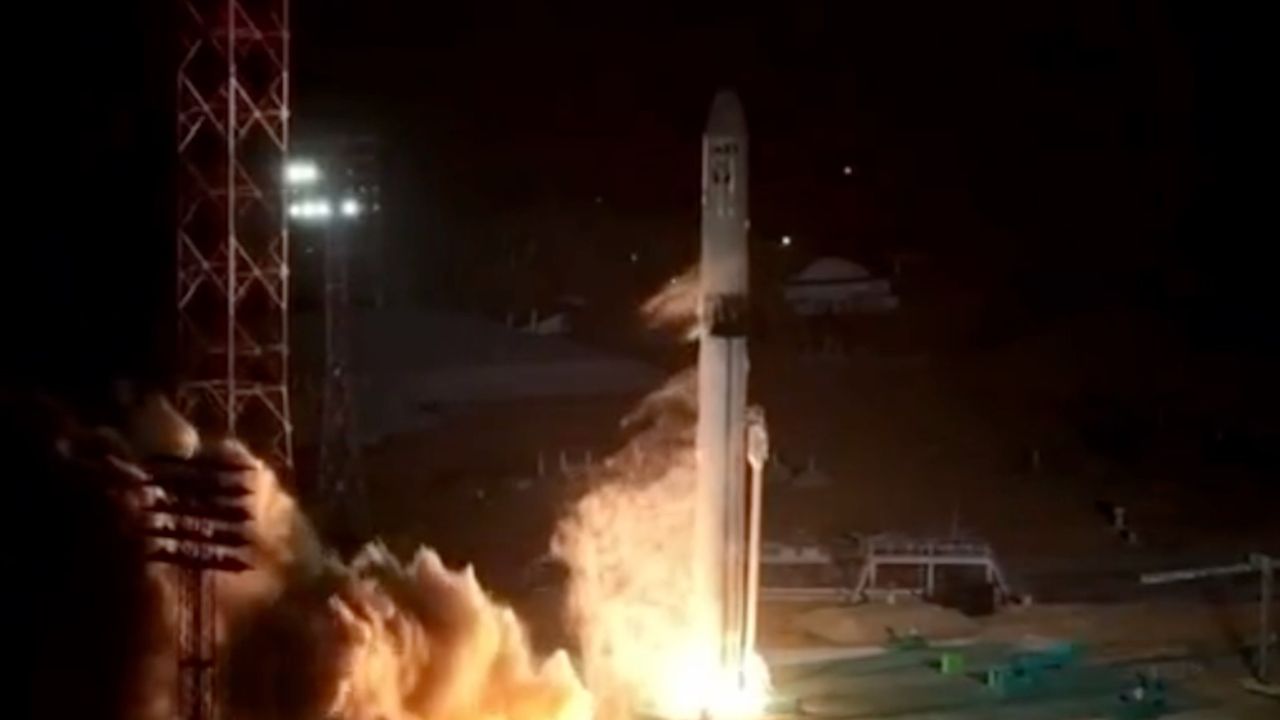
The Soyuz 5, also known as Irtysh, is a medium-lift rocket designed to replace older Soviet-era vehicles. With a payload capacity of about 17 tons to low Earth orbit (LEO), it fills the gap between the light Soyuz-2 and the heavy Angara A5. The debut flight carried a dummy payload and telemetry equipment to verify all systems. Engineers reported a perfect ascent trajectory and successful separation of stages, confirming that the rocket is ready for operational use.
2. First Launch Delivered Flawless Performance
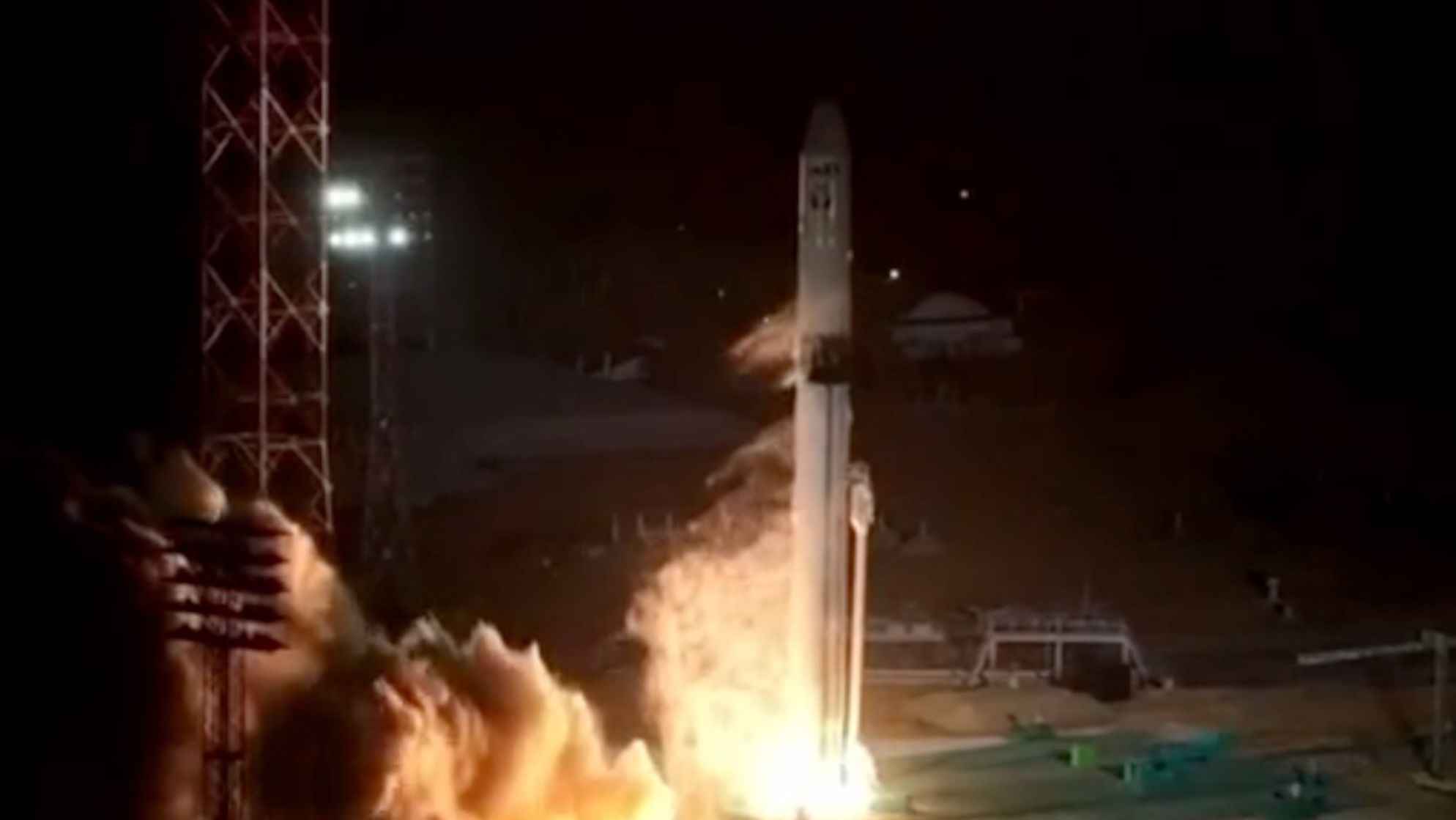
Lifting off from the Baikonur Cosmodrome in Kazakhstan at 21:00 local time on April 30, the Soyuz 5 completed its mission without any anomalies. The core stage burned for the planned duration, followed by the upper stage insertion into a predetermined orbit. Roscosmos state corporation labeled the flight a complete success. This clean debut is especially crucial after several delays during development, proving the rocket’s reliability from the very start.
3. Homegrown Engineering from Russia
Unlike earlier post-Soviet projects that relied on Ukrainian components, the Soyuz 5 uses 100% Russian-made parts. The propulsion system features a powerful RD-171MV engine (a modernized version of the RD-170) on the first stage. This engine, produced at Energomash, provides excellent thrust-to-weight ratio. The rocket also incorporates new digital flight control systems and telemetry that reduce ground support needs.
4. Medium-Lift Capacity That Fills a Critical Niche
With a lift capability of up to 17,000 kg to LEO and 5,000 kg to geostationary transfer orbit (GTO), Soyuz 5 is aimed at launching communications satellites, navigation systems, and cargo missions. This is a sweet spot not covered by the smaller Soyuz-2.1a (8 tons to LEO) or the heavy Angara A5 (up to 24.5 tons). It competes with rockets like the Falcon 9 and China’s Long March 7, offering a cost-effective alternative for medium-range payloads.
5. Boosterless Design Simplifies Operations
Unlike many modern launchers (e.g., Falcon 9 with side boosters), the Soyuz 5 is a single-stick rocket without strap-on boosters. This reduces complexity in manufacturing and launch preparation. The only exception is optional solid fuel boosters for crewed variants in the future. The simplified architecture lowers the chance of mishaps during countdown and improves turnaround time between flights.
6. Reusability Considered for Future Upgrades
While the debut flight was expendable, Roscosmos has announced plans to introduce reusable first stages on later versions of the Soyuz 5. The RD-171MV engine is being studied for multiple ignitions and landings via vertical landing technology. This could drastically cut costs per launch, making Russia more competitive in the commercial market. However, no timeline or test targets have been set for the reusable variant.
7. Crewed Variant Under Development
A human-rated version of the Soyuz 5, often called the Soyuz 5-M, is in early design stages. It would serve as a backup to the Angara A5V for crew transport to the Russian segment of the ISS. Key modifications include redundant avionics, emergency abort system, and enhanced life support. Given the rocket's clean debut, engineers are optimistic about fast-tracking crew certification by the mid-2030s.
8. Launch Site Flexibility Expands Options
Although the first flight lifted off from Baikonur, the Soyuz 5 is designed to launch from multiple pads. Russia’s Vostochny Cosmodrome is being upgraded with a dedicated complex for this rocket, which will provide independence from the Kazakh-rented Baikonur. The Eastern cosmodrome’s location closer to the equator offers better payload performance for equatorial orbits. This dual-site capability enhances Russia’s launch resilience.
9. Cost Competitiveness in a Crowded Market
Roscosmos estimates that each Soyuz 5 launch will cost approximately $45 million, which undercuts many Western competitors (Falcon 9 starts around $67 million). The use of mass production techniques for the RD-171MV and modular assembly lines further reduces expenses. For budget-constrained customers needing medium-sized satellites, this rocket offers an attractive balance between cost and reliability.
10. What’s Next for the Soyuz 5 Program
Following this successful debut, the next milestone is operational certification that allows commercial payload missions. Roscosmos plans two more test flights in 2026 before handing over the vehicle to regular operations. The ultimate goal is to phase out the aging Soyuz-2 family and replace it entirely with Soyuz 5 by 2030. This rocket will form the backbone of Russia’s space access for decades to come, supporting both civilian satellite launches and potential ISS resupply missions.
Conclusion: The Soyuz 5’s debut launch marks a significant step forward for Russia’s independent space program. With a flawless first flight, a homegrown design, and competitive specifications, this medium-lift rocket is poised to serve a variety of missions. As development continues—including crew variants and possible reusability—the Soyuz 5 could become a key player in the global launch market. Keep an eye on this rocket; its journey has only just begun.