Introduction
RingCentral Inc. has quietly pivoted from a unified-communications-as-a-service (UCaaS) provider to an AI-first customer engagement platform. The company's latest quarterly results reveal that artificial intelligence is no longer a future promise but the primary driver of product differentiation, operational efficiency, and revenue growth. Central to this transformation is RingCentral AIR and a suite of AI-powered tools that now sit at the front door of every customer conversation. This article explores how RingCentral is leveraging AI to reshape its business model and set new standards in the communications industry.
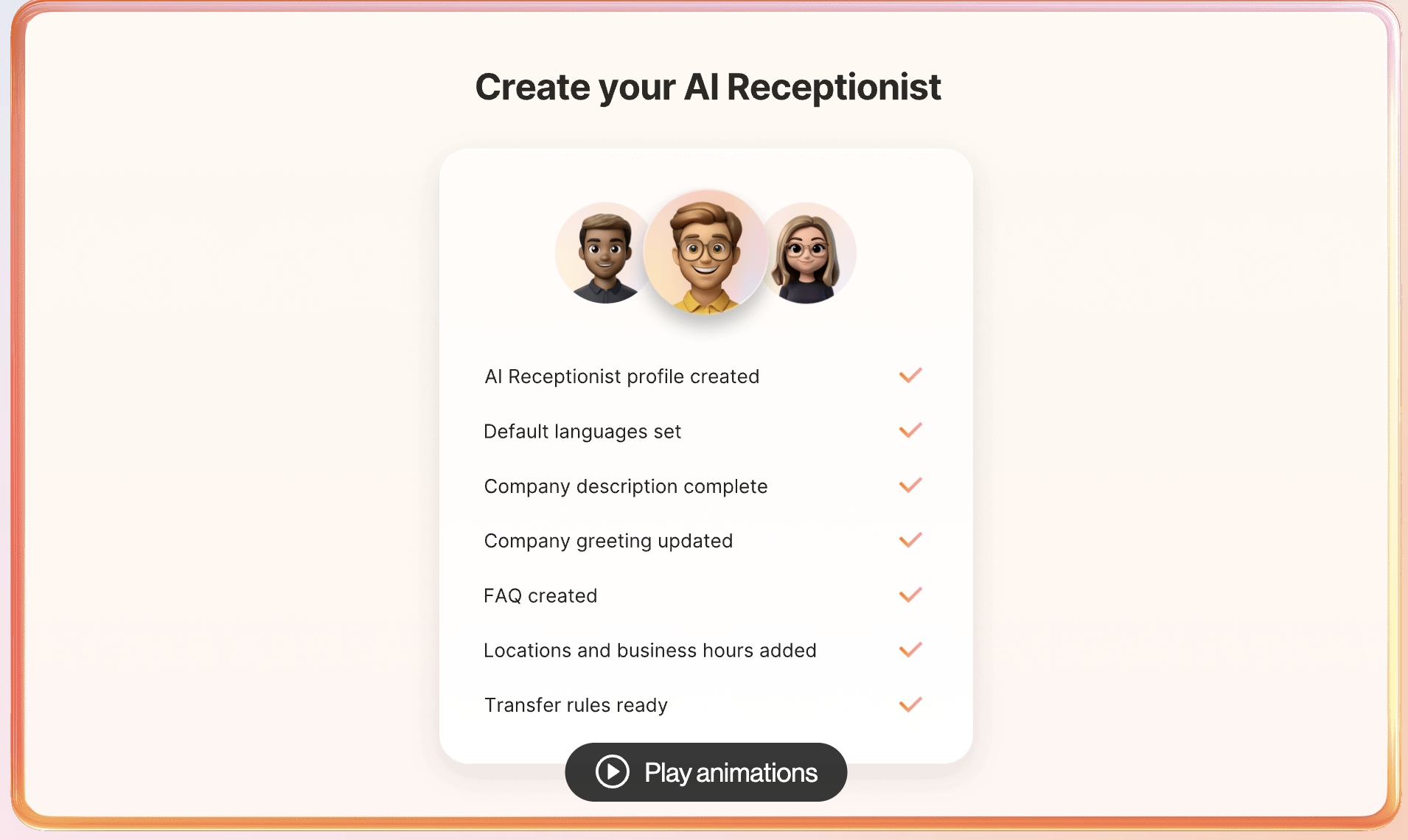
The Rise of RingCentral AIR as a Core Differentiator
RingCentral AIR (Artificial Intelligence for RingCentral) represents the company's strategic bet on embedding AI into every layer of its platform. Rather than bolting on AI as a separate feature, RingCentral has integrated it natively into call routing, message summarization, sentiment analysis, and predictive analytics. This approach allows businesses to automate routine tasks, gain real-time insights, and personalize interactions at scale.
What is RingCentral AIR?
At its core, RingCentral AIR is a set of AI capabilities that enhance the entire customer journey. For example, it can automatically transcribe and summarize calls, detect customer sentiment during live conversations, and recommend next-best actions for agents. These features reduce manual work and help companies respond faster and more contextually. Unlike many competitors who offer AI as an add-on, RingCentral has baked AIR into its core UCaaS and contact center products, making AI an inherent part of the user experience.
How AIR Drives Operational Leverage
The operational benefits of RingCentral AIR are already visible in the company's own metrics. By automating repetitive tasks, RingCentral has improved agent productivity and reduced average handling times. Early customer adopters report similar gains—some seeing up to 30% shorter call durations and higher first-contact resolution rates. This operational leverage translates into lower costs for customers and stronger margins for RingCentral, creating a virtuous cycle that fuels further AI investment.
AI's Impact on ARR and Growth
RingCentral's annual recurring revenue (ARR) has been a key metric of its AI strategy's success. While the company does not break out AI-specific ARR, executives have noted that AI-enhanced products are contributing to both new customer acquisition and expansion within existing accounts. The shift from a "future story" to a present-day revenue driver is evident in the steady top-line growth reported in the last quarter.
From Future Story to Present Revenue
In previous earnings calls, RingCentral executives spoke about AI as a long-term differentiator. Today, they highlight concrete examples where AI features have directly influenced purchasing decisions. For instance, mid-market enterprises and large contact centers are increasingly selecting RingCentral over competitors because of the embedded AI capabilities. This has led to larger deal sizes and shorter sales cycles. The company's move to bundle AI features into premium tiers has also lifted average revenue per user (ARPU).

Building an AI-first Ecosystem
RingCentral is not stopping at internal AI features. It has opened its platform to third-party developers and partners through APIs and the RingCentral AIR marketplace. This ecosystem approach allows customers to customize AI workflows, integrate with existing CRM and ERP systems, and build bespoke analytics dashboards. By making AI extensible, RingCentral ensures that its platform remains relevant as customer needs evolve, further solidifying its ARR base.
The Strategic Role of AI in Customer Engagement
Customer engagement is moving from reactive support to proactive, insight-driven interactions. RingCentral's AI-first strategy positions it perfectly for this shift. With natural language processing (NLP) and machine learning models that learn from every conversation, the platform can predict customer churn, recommend upsells, and automate follow-ups. This transforms the contact center from a cost center into a profit driver. Moreover, AI helps ensure consistent quality across channels—voice, chat, email, and social media—creating a seamless omnichannel experience.
Conclusion
RingCentral's transformation from a UCaaS provider to an AI-first engagement platform is more than a rebranding. It is a fundamental rethinking of how communication software can deliver value. By embedding AI into its core products and fostering an ecosystem of innovation, the company has turned a theoretical advantage into a tangible growth engine. As more organizations seek to automate and personalize customer interactions, RingCentral's early and deep commitment to AI gives it a formidable edge in the competitive communications market.