The Alarming Forecast from New Research
A recent study has delivered a sobering prediction for astronomers and stargazers alike: the proliferation of satellite megaconstellations could render the night sky up to three times brighter than its current state. This dramatic increase in artificial sky glow poses a direct threat to the capabilities of sensitive observatories, particularly the Vera C. Rubin Observatory, which is designed to conduct a decade-long survey of the universe.
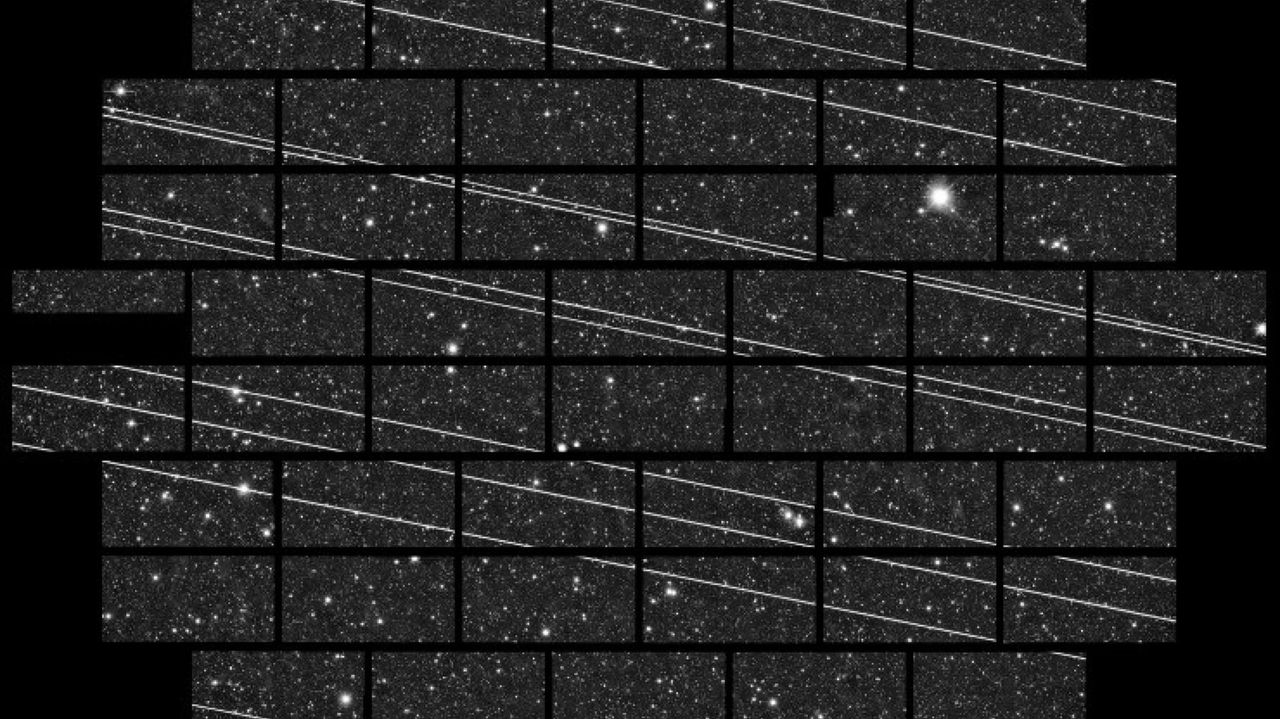
The findings, published in a prominent astronomical journal, model the cumulative light pollution from tens of thousands of planned satellites. Unlike natural skyglow from the Moon or cities, this artificial brightness originates directly from the satellites themselves as they reflect sunlight, as well as from their illuminated surfaces and occasional flares. The study projects that if current deployment plans proceed, the overall night sky brightness could triple by the end of this decade, fundamentally altering the observational landscape.
A Critical Blow to the Vera C. Rubin Observatory
At the heart of the concern is the Vera C. Rubin Observatory, located on Cerro Pachón in Chile. Its 8.4-meter telescope and 3.2-gigapixel camera—the largest ever built for astronomy—are designed to capture the entire visible sky every few nights. This unprecedented survey will probe dark energy, map the Milky Way, and discover transient phenomena like supernovae and near-Earth asteroids.
But the observatory's extreme sensitivity makes it especially vulnerable to satellite streaks. Even a single bright satellite passing through the field of view can ruin an exposure, forcing astronomers to discard precious data. The new study calculates that under a realistic megaconstellation scenario, the Rubin Observatory could lose up to 30% of its images during the first and last hours of the night—prime time for observing faint objects. Over the survey's ten-year run, this translates into a significant loss of scientific return.
The Mathematics of Ruined Exposures
The research team simulated the passage of satellites based on planned constellations from companies such as SpaceX (Starlink), Amazon (Project Kuiper), and others. They found that even with mitigation efforts—like satelline darkening coatings and operational adjustments—the sheer number of objects creates an unavoidable increase in background brightness. The sky won't just be dotted with moving lights; it will be bathed in a diffuse uniform haze, making it harder to detect the faintest galaxies and stars.
Beyond Rubin: A Threat to All Ground-Based Astronomy
While the Rubin Observatory is the most immediately affected, the impact extends to telescopes worldwide. Professional observatories that rely on long exposures—from the Keck telescopes in Hawaii to the European Southern Observatory's Very Large Telescope—will all contend with more satellite trails. Amateur astronomers and astrophotographers will also see diminished contrast in the night sky. Moreover, projects that rely on photometric precision, such as exoplanet transit surveys, could find their data increasingly contaminated.
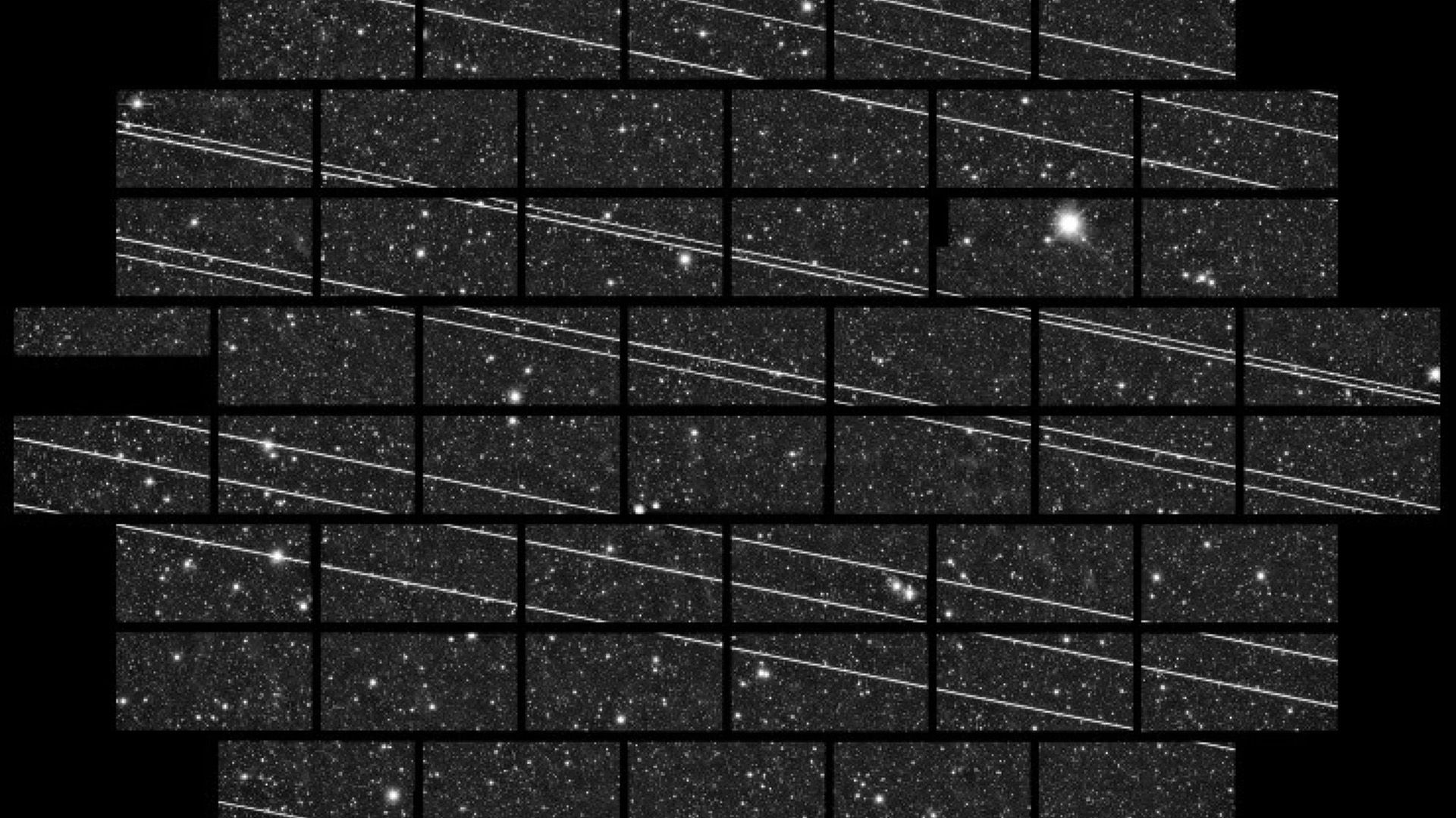
The problem is systemic. As satellite megaconstellations grow, the baseline brightness of the night sky rises, pushing fainter astronomical targets below detection thresholds. This could delay discoveries about dark matter, cosmic structure, and the early universe.
What Can Be Done?
Astronomers and satellite operators are exploring several avenues to reduce the impact. The International Astronomical Union and other bodies have called for regulatory limits on satellite brightness and number. Technical solutions include sunshades to prevent sunlight reflection, low-albedo materials for satellite bodies, and operational constraints such as avoiding observationally sensitive times. However, the new study emphasizes that even the most optimistic mitigation measures currently under discussion may not be enough to prevent a doubling or tripling of night sky brightness.
One promising approach is the development of smart scheduling that predicts satellite positions and avoids exposing the camera when bright objects are in the field. But this requires highly accurate orbital data and can still result in lost observation time. The study concludes that the most effective solution is a coordinated international effort to limit the number of satellites in low Earth orbit or to mandate much stricter brightness standards.
The Future of the Night Sky
The Vera C. Rubin Observatory is humanity's next great window into the cosmos. But that window is in danger of fogging over before it fully opens. The triple-brightness scenario is not inevitable, but it requires immediate action from regulators, industry, and the astronomical community. If we fail to act, the night sky as both a natural resource and a scientific frontier will be permanently diminished.